Structural blueprint photo deconstruction poster
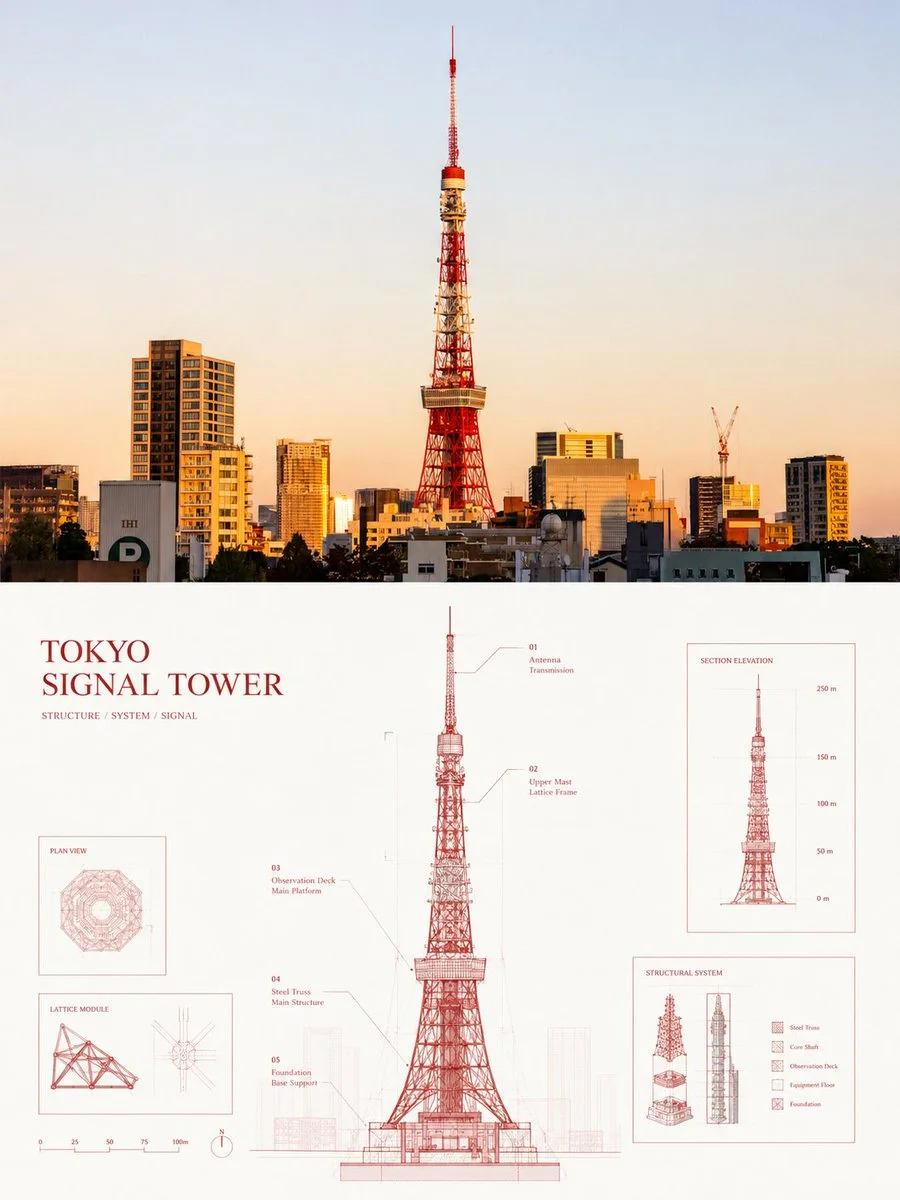
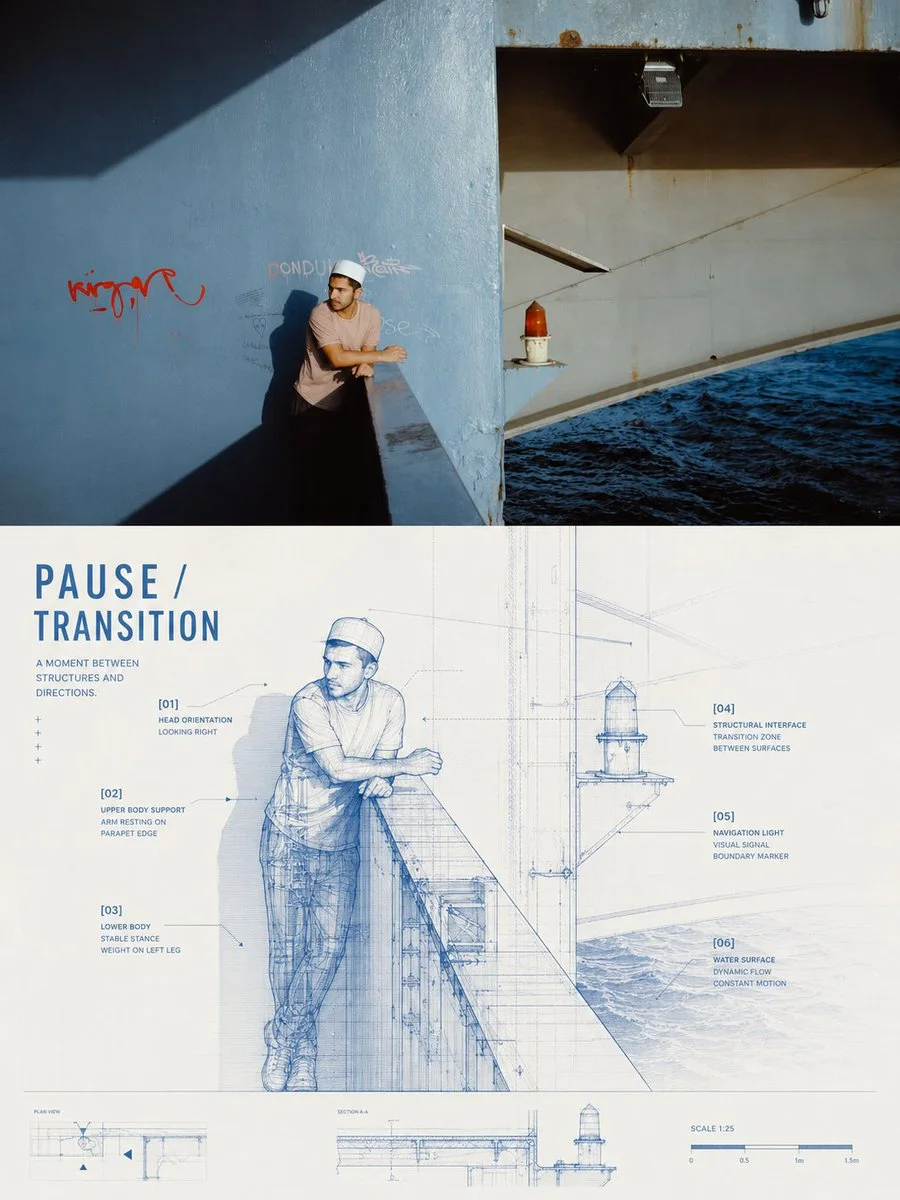
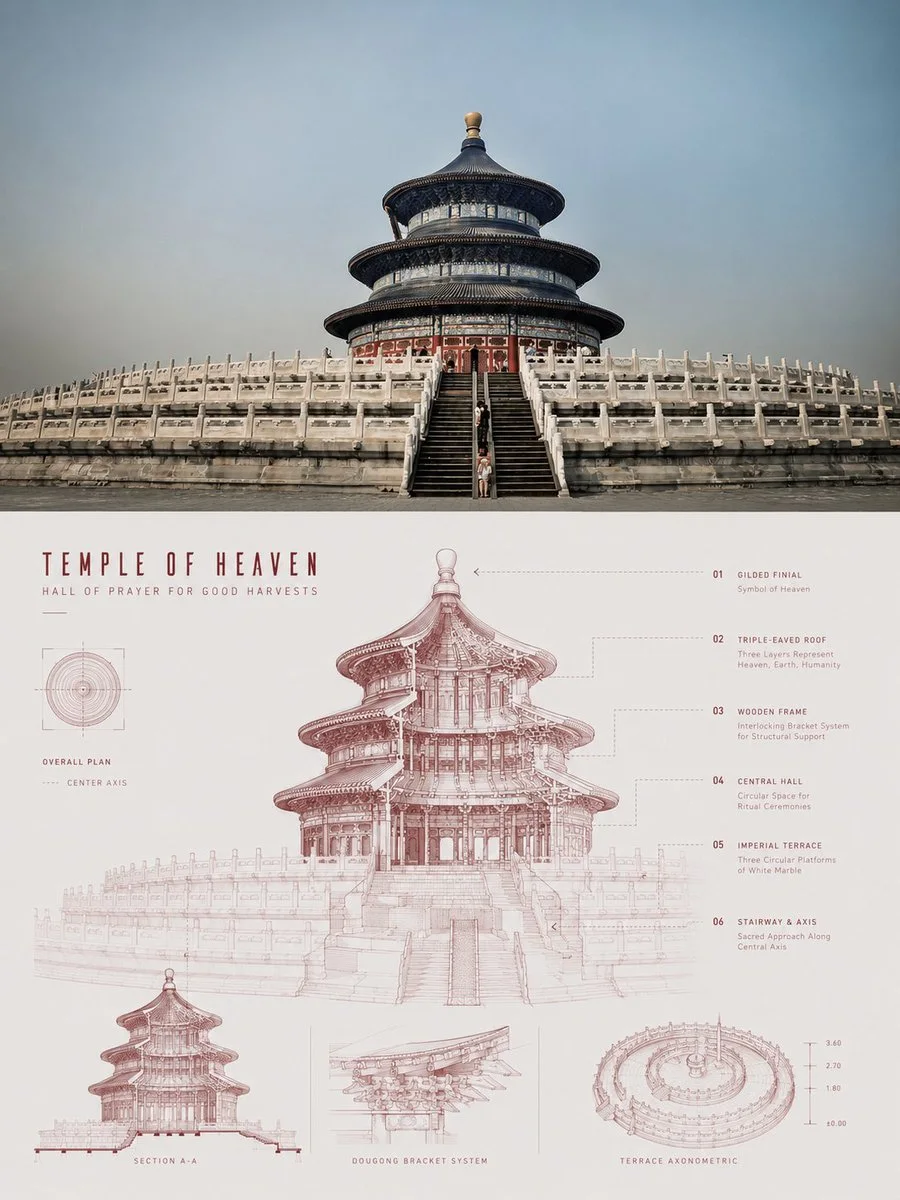
Create a 3:4 high-end design poster from each uploaded photo: the upper half preserves the original photo, while the lower half reconstructs the subject as a transparent structural blueprint and refined technical diagram with callouts, exploded layers, section cuts, a restrained monochrome color system, and premium editorial layout.
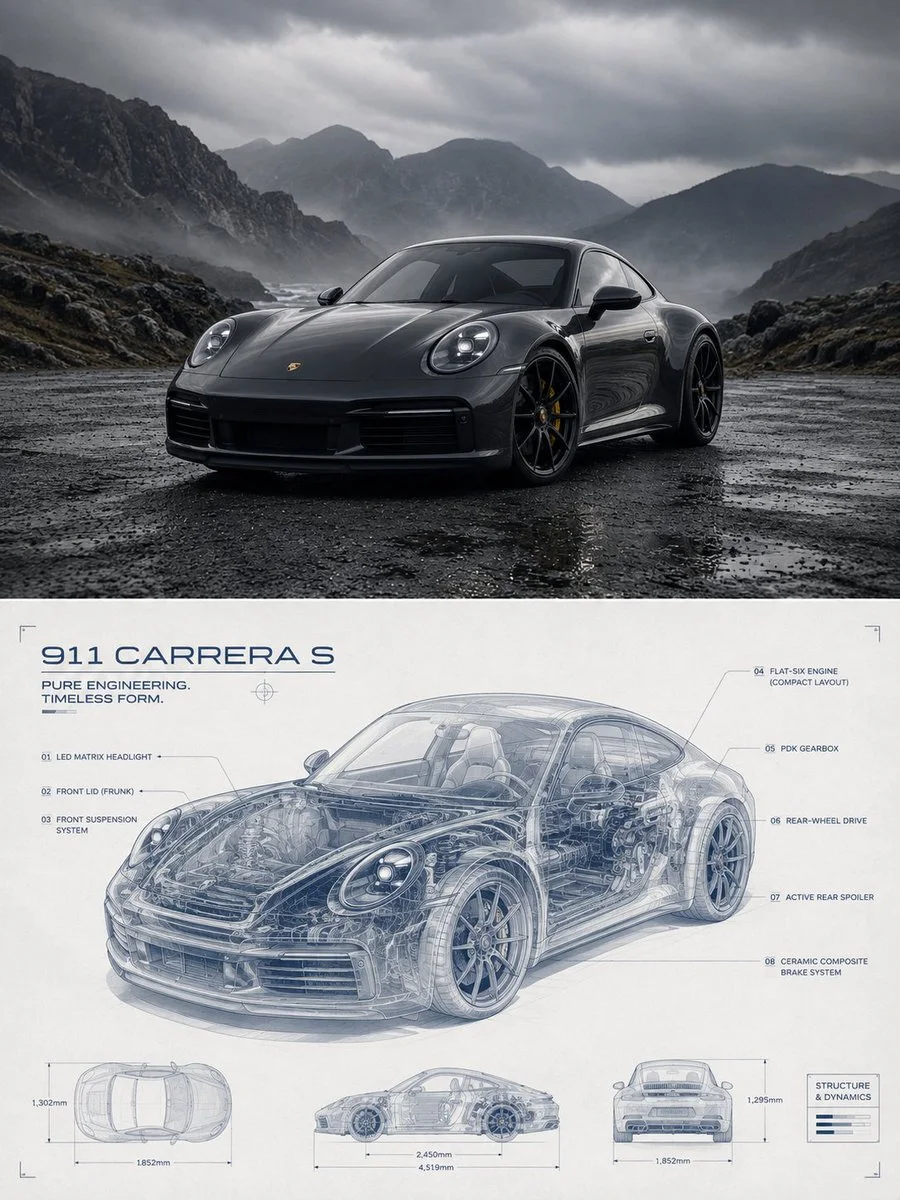
Ready to use
Prompt
Process each uploaded photo separately into an independent high-end design poster. Do not create a multi-image collage; each photo must be output as its own separate poster. Use a 3:4 vertical composition with two strictly equal-height sections: the upper section occupies 50% of the canvas and the lower section occupies 50% of the canvas.

In the upper half, preserve the original photo. Keep the subject structure, realistic material quality, natural lighting, shadows, and original color atmosphere. Apply only a subtle premium photographic color grade so it feels like art-magazine photography, independent-publishing imagery, or exhibition photography. To fit the frame, you may naturally extend sky, ground, or environmental background, but do not stretch, distort, or alter the subject.

In the lower half, extract the most recognizable subject, silhouette, pose, and narrative relationship from the photo, then reconstruct them as a transparent structural blueprint and high-end technical diagram. Keep the subject’s outer contour clearly identifiable, while turning parts of its surface into transparent, cutaway, layered, or perspective states that reveal its most representative internal structure, connection relationships, material layers, motion paths, or spatial logic. The visual language should sit between an engineering drawing, X-ray perspective diagram, scientific illustration, and futuristic archive. Do not mechanically pile up parts. Instead, decide how the “internal structure” should be interpreted according to the subject’s own nature: objects should show components and connections; architecture should show space and construction; vehicles should show power systems and structure; plants should show veins and growth; animals or people should express pose skeletons, motion trajectories, clothing layers, or abstract structure while avoiding flesh-and-blood anatomical dissection.

Make the subject the single core of the composition. Establish visual order through transparent overlays, local magnification, sectional slices, exploded breakdowns, structural callout lines, and precise annotations. You may add ultra-fine axes, dimension lines, node numbers, local selection frames, and small structural schematics so the information unfolds naturally around the subject. Separate different information levels through line weight, transparency, solid versus dashed lines, and density. Preserve generous clean negative space and a clear reading path. Avoid complex sci-fi UI and full-page information clutter.

Extract the most recognizable and spirited dominant color from the upper photo, then convert it into a clear, bright, businesslike monochrome blueprint system. Use a light background, one primary line color, and a small range of light/dark variations. The color can be clear blue, green, red, orange, purple, or a neutral tone; it does not have to be blue. The palette should feel clean, rational, and luminous. Build hierarchy through transparent overlays, line density, and local highlights. Avoid dirty grays, dim colors, neon cyberpunk effects, and complex multicolor palettes.

Treat text as part of the technical annotation and editorial layout system. From the photo’s subject identity, function, state, action, or symbolic meaning, derive a short title and pair it with a small number of structural numbers, component names, status words, scale marks, direction notes, or miniature annotations. Connect the text precisely to the subject through callout lines, rulers, arrows, local frames, vertical typesetting, or edge layout, like an explanation system in an engineering sketch, while maintaining the restraint and negative space of a premium magazine layout. Do not use years and do not write long explanatory paragraphs.

The final image should combine transparent structure, precise linework, layered revelation, engineering order, and editorial aesthetics into a high-end visual style. Whether the subject is a person, animal, plant, building, object, vehicle, or natural element, it should be instantly recognizable, structurally logical, informationally restrained, and clearly layered. Avoid ordinary line art, cheap sci-fi HUDs, excessive mechanization, complex piles of parts, fixed blue-only styling, and template-like results.
Continue browsing
Related prompts
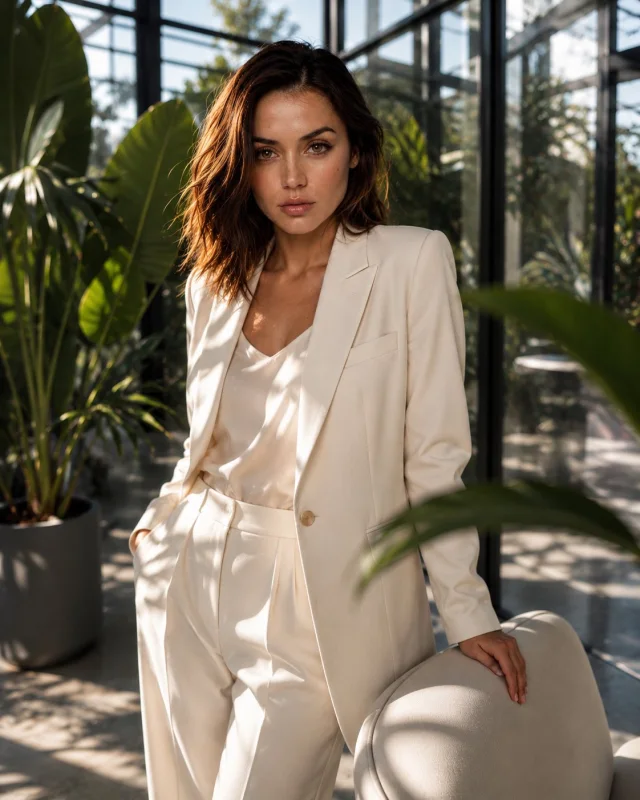
Luxury glasshouse editorial portrait
Create a high-end photorealistic fashion editorial portrait of a woman inside a contemporary glasshouse botanical studio, wearing an ivory tailored suit beside a sculptural chair, surrounded by tropical leaves, glass panels, and dramatic sunlight.
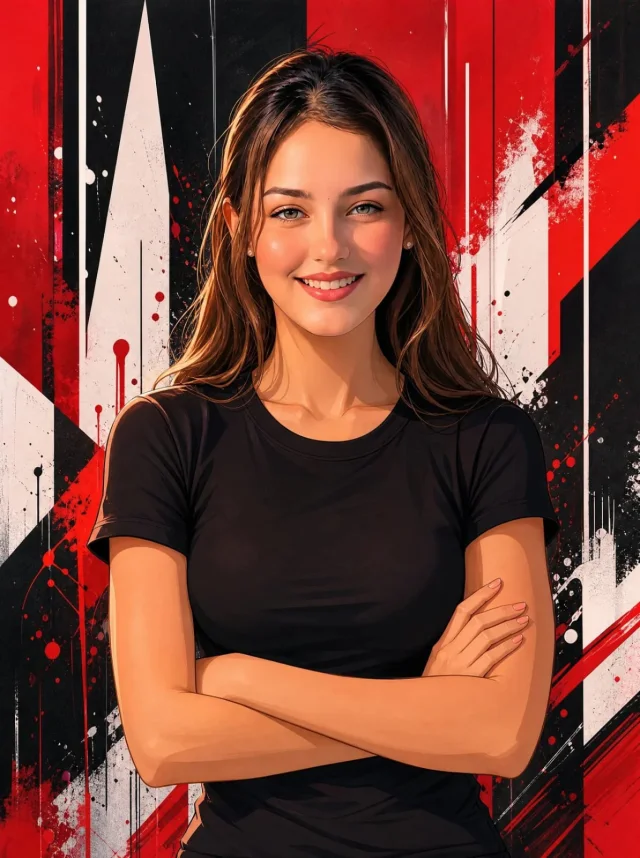
Anime graffiti face-reference portrait
Using a face reference, create a premium anime-style 9:16 portrait of a person in a fitted black t-shirt with crossed arms against a red, black, and white abstract graffiti background.
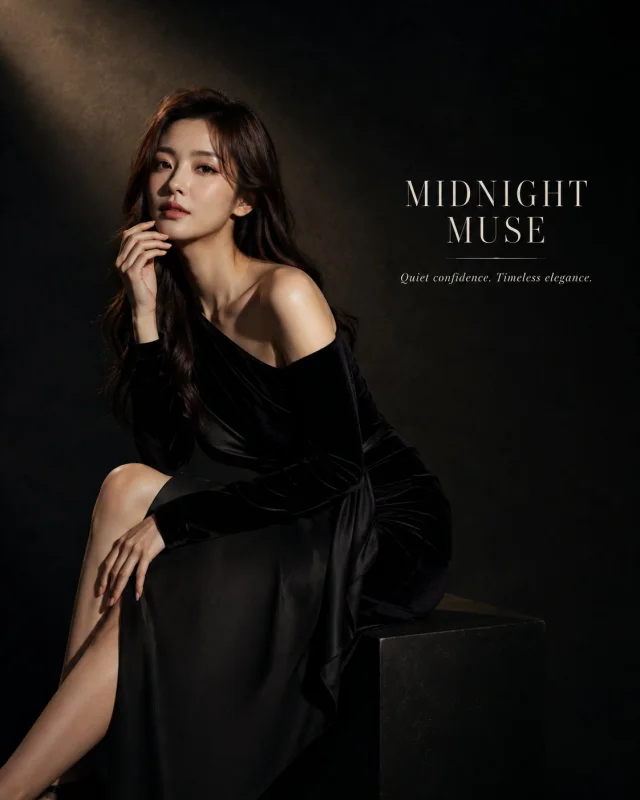
Korean editorial dark studio portrait
A master prompt for an ultra-realistic high-fashion editorial portrait of a Korean subject in a luxurious dark cinematic studio with dramatic lighting, minimal serif typography, and negative space.